

- text
-
1Offer Period
This Offer is available for purchases from 00:00 AEST on 29/06/2026 to 23:59 AEDT on 27/11/2026.
Where the Offer is available
This Offer is available when you purchase a new Everyday Pet Insurance policy on the Everyday Insurance website or through calling the Customer Hub.
Who is Eligible
This Offer applies to customers who enter or provide the promo code 2MF during the Offer period when purchasing a new policy. The discount cannot be applied after purchase or when renewing an existing policy.
How it works
To enjoy your first 2 months of free cover, you must enter the promo code 2MF when buying the policy online or provide the promo code to the Customer Hub when buying the policy over the phone.
Only 1 promo code may be used at the time of purchase.
This offer entitles you to 2 months free in your first policy year of your policy cover, provided the policy remains in force and with all premiums paid in full. If you choose to pay annually, you will have the 2 months free, a discount equivalent to 2 months of premium applied to your annual premium at the time of purchase. If you choose to pay by monthly or fortnightly instalment, you will not be charged an instalment for the first 2 months of your first policy period. Your payments will start from the third month of your policy period.
The discounted premium will be shown on your Certificate of Insurance, which you'll receive after your policy is accepted. You will no longer receive this offer if your policy is cancelled, if you change your level of cover, and or your policy number changes.
What is not included
This offer excludes: Everyday Car, Home, Landlord, Travel Insurance products and Everyday Roadside Assist.
Additional Important Information
Enjoyment of this offer is subject to the Everyday Insurance Terms and Conditions. Please consider the Everyday Pet Insurance Product Disclosure Statement, Financial Services Guide and Target Market Determination found here to determine if the products are right for you. Woolworths reserves the right to vary, withdraw or extend this offer at any time. Woolworths will provide reasonable notice of any adverse changes.
Common types of dog surgery in Australia.
Learn more about common surgical procedures for your furry friend.
Pet Insurance | 5 minute read | 11 October 2024
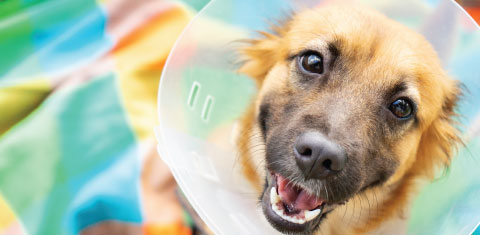

Get 2 months FREE Pet Insurance.1
Enter promo code 2MF for your first two months of pet insurance free (offer ends 27/11/26), and don't forget to link your Everyday Rewards Card to get 10% off an in-store Woolworths shop every month.°
Typical surgery operations for dogs.
As a dog owner, understanding the common surgical procedures your furry friend might encounter throughout their life is crucial. From routine operations like desexing to more complex surgeries addressing specific health conditions, being informed empowers you to make the best decisions for your pet's well-being.
This article aims to provide you with a general understanding of the various surgical procedures commonly performed on dogs in Australia. It's always important to seek advice from your veterinarian if you have any questions or concerns.
Desexing.
Desexing, or neutering/spaying, is arguably the most common surgical procedure for dogs and a cornerstone of responsible pet ownership. It involves the removal of reproductive organs to prevent unwanted breeding and offers a multitude of health and behavioural benefits.
Benefits for male dogs (Neutering).
Reduced risk of testicular cancer: neutering can help reduce the possibility of testicular cancer, a common and potentially fatal disease in intact male dogs.
Lowered incidence of prostate problems: neutering can help decrease the risk of prostate enlargement and infections, which can cause discomfort and urinary issues.
Curbed undesirable behaviours: neutering can help reduce or eliminate behaviours associated with male hormones, such as roaming, marking territory, and aggression towards other males.
Benefits for female dogs (Spaying).
Prevention of uterine infections: spaying removes the uterus and ovaries, which can help prevent pyometra, a serious and potentially life-threatening infection of the uterus.
Reduced risk of mammary tumours: spaying significantly decreases the risk of mammary tumours, especially when performed before the first heat cycle.
Prevention of unwanted pregnancy: spaying can help reduce the possibility of unwanted litters.
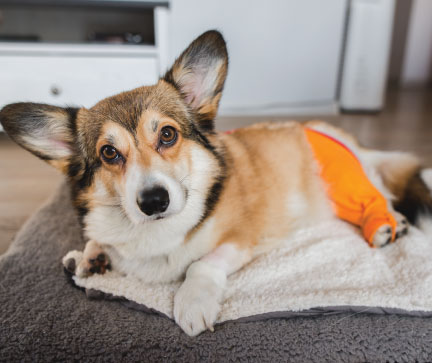
Cruciate ligament repair.
Cruciate ligament repair is a common canine injury. The cruciate ligament in dogs, similar to the ACL (anterior cruciate ligament) in humans, plays a critical role in stabilising the knee joint. Tears or ruptures of this ligament are unfortunately quite common, especially in larger or more active breeds. These injuries can occur suddenly during strenuous activity or develop gradually due to wear and tear.
When a dog tears its cruciate ligament, it typically experiences sudden limping in the affected leg. The knee may also be swollen and painful. A veterinarian will diagnose the injury through a physical examination and potentially X-rays or other imaging techniques.
While minor tears may heal with rest and medication, surgery can be necessary for complete cruciate ligament ruptures to restore normal function and alleviate pain. Several surgical techniques are available, including TPLO (Tibial Plateau Levelling Osteotomy), TTA (Tibial Tuberosity Advancement) and extracapsular repair. The choice of surgical technique depends on various factors, including the dog's size, age, activity level, and the surgeon's experience and preference.
Foreign body removal.
Dogs, especially puppies, are notorious for their inquisitive nature and tendency to explore the world with their mouths. This can sometimes lead to the accidental ingestion of foreign objects, ranging from seemingly harmless items like socks and toys to potentially dangerous ones like rocks, bones, or corn cobs.
When a foreign object is swallowed, it can cause a range of problems depending on its size, shape, and location within the digestive tract. In some cases, the object may pass through the digestive system without issue.
However, if it becomes lodged or obstructs the intestines, it can lead to serious complications such as:
Vomiting.
Loss of appetite.
Lethargy.
Abdominal pain.
Constipation or diarrhoea.
Dehydration.
Perforation of the intestines.
Tip: If you suspect your dog has swallowed a foreign object, it's crucial to seek veterinary attention immediately. The veterinarian will likely perform a physical examination, X-rays, or other imaging tests to locate the object and assess the extent of any damage, as well as determine if surgical removal is necessary.
Tumour removal.
Tumours, both benign (non-cancerous) and malignant (cancerous), can affect dogs. While benign tumours may not pose an immediate threat, they can still cause discomfort or interfere with normal bodily functions. Malignant tumours, on the other hand, can spread and invade surrounding tissues, posing a serious health risk.
Surgical removal is often the primary treatment for tumours, particularly for cancerous growths. The goal of surgery is to completely excise the tumour and any affected surrounding tissue to prevent recurrence or spread.
The success of surgery depends on several factors, including:
Type of tumour: some tumours are more easily removed than others, depending on their size, location, and how aggressively they invade surrounding tissues.
Stage of cancer: early-stage cancers are generally more treatable with surgery than advanced cancers that have already spread.
Location of tumour: tumours in easily accessible locations are typically easier to remove than those in delicate or vital areas.
Dog's overall health: a dog's age, underlying health conditions, and ability to tolerate anaesthesia and surgery are important considerations.
Dental surgeries.
Dental disease is a prevalent issue among dogs, often leading to significant discomfort, infection, and even systemic health problems. Just like in humans, plaque and tartar buildup can lead to gingivitis (inflammation of the gums) and periodontal disease (infection of the tissues surrounding the teeth). If left untreated, these conditions can cause tooth loss, pain, difficulty eating, and even spread bacteria to other organs, affecting the heart, liver, and kidneys.
Some of the key dental procedures are:
Dental cleanings: professional dental cleanings under anaesthesia are important for removing plaque and tartar buildup that cannot be addressed with brushing alone. This helps prevent dental disease and maintain oral health.
Extractions: when teeth are severely damaged or diseased, extraction may be necessary to alleviate pain and prevent further infection.
Periodontal disease treatment: treatment for periodontal disease may involve deep cleaning below the gum line, antibiotics, and in severe cases, surgery.
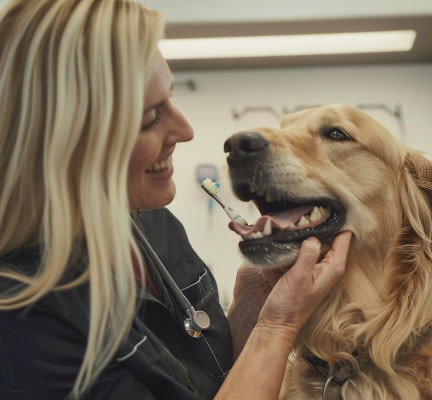
Laryngeal Ventricular Dysfunction (LVDD).
While LVDD may not be as frequently encountered as other surgical conditions in dogs, it poses a significant health risk. This condition affects the larynx, also known as the voice box, which plays a crucial role in breathing and vocalisation. In LVDD, the laryngeal ventricles (small pouches within the larynx) become everted or sucked into the airway during inhalation, obstructing airflow and making breathing difficult.
Common symptoms of LVDD include:
Noisy breathing: a raspy or wheezing sound, especially during inhalation.
Exercise intolerance: difficulty breathing during physical activity.
Coughing or gagging: attempts to clear the airway obstruction.
Voice change: hoarseness or loss of voice.
Cyanosis: bluish discoloration of the gums or tongue due to lack of oxygen.
Collapse: in severe cases, dogs may collapse due to respiratory distress.
Tip: While surgical intervention may be required, it can offer a good prognosis for many dogs, allowing them to enjoy a more comfortable and active life.
Puppy surgeries.
Puppies, like adult dogs, may require surgical procedures. Desexing is often performed early to prevent unwanted breeding and associated health risks. Additionally, puppies are prone to ingesting foreign objects, necessitating surgical removal. In some cases, congenital or developmental issues may require surgical correction.
The role of Pet Insurance.
Everyday Pet Insurance can provide financial support when unexpected surgeries and veterinary expenses arise.
Did you know unexpected vet bills have cost pet owners up to $31,247~~ in a single year? With Everyday Pet Insurance you can claim up to 80% back on eligible vet bills.*
Plus, pay only the gap on eligible claims and get your benefit on the spot with GapOnly.®= It's quick, easy, and leaves you with more time to cuddle your pet and less time worrying about the vet bill.
Compare Pet Insurance options to make sure you get the right cover for your furry best friend. It's essential to understand the policy's coverage, exclusions, and waiting periods. Please read the Product Disclosure Statement for further information for full terms, conditions and exclusions.
Understanding the common dog surgeries and their implications is vital for responsible pet ownership. From routine procedures like desexing to more specialised surgeries like LVDD correction, veterinary medicine offers a range of treatment options to ensure your dog's health and well-being.
Everyday Pet Insurance can help alleviate the financial burden associated with these procedures, allowing you to focus on what matters most - your dog's health and happiness.
Other articles you might like:
Protect your loyal companion and get 10% off an in-store Woolworths shop every month.°
- text
-
° This offer is only available for policyholders who have a registered Everyday Rewards Card linked to their eligible active Everyday Insurance policy. This offer is limited to one in-store Woolworths Supermarket transaction up to $500, with a maximum saving of $50 per Everyday Rewards Card, per month, regardless of the number of Woolworths services you use. For full T&Cs click here.
- text
-
~~ Based on PetSure data January 2023 to December 2023.
- text
-
* Limits, waiting periods, exclusions and excesses may apply.
- text
-
= The gap is defined as the difference between the vet's invoice and the claim benefit under your policy. Policy terms and conditions apply. GapOnly® is only available at participating Vets. Please visit GapOnly® to search for GapOnly® enabled vets. GapOnly® is a trademark owned by PetSure (Australia) Pty Ltd (PetSure) (ABN 95 075 949 923, AFSL 420183).
- text
-
Everyday Pet Insurance policies entered into for the first time prior to 17 July 2023 and subsequent renewals of those policies are issued by The Hollard Insurance Company Pty Ltd ABN 78 090 584 473, AFSL 241436 (Hollard), arranged and administered by PetSure (Australia) Pty Ltd ABN 95 075 949 923, AFSL 420183 (PetSure) and promoted and distributed by Hollard’s Authorised Representative (AR) Woolworths Group Limited ABN 88 000 014 675, AR 245476 (Woolworths).
Everyday Pet Insurance policies entered into for the first time on or after 17 July 2023 and subsequent renewals of those policies are issued by PetSure and promoted and distributed by PetSure’s AR, Woolworths.
Any advice provided is general only and does not take into account your individual objectives, financial situation or needs. Please consider the Product Disclosure Statement (PDS) to ensure this product meets your needs before purchasing, or choosing to continue with the product. PDS and Target Market Determination available at insurance.everyday.com.au/pet-insurance.
