









- text
-
° This offer is only available for policyholders who have a registered Everyday Rewards Card linked to their eligible active Everyday Insurance policy. This offer is limited to one in-store Woolworths Supermarket transaction up to $500, with a maximum saving of $50 per Everyday Rewards Card, per month, regardless of the number of Woolworths services you use. For full T&Cs click here.
What fruits can & can't dogs eat?
Practical tips to keep your pet safe.
Pet Insurance | 10 minute read | 27 August 2025

- Practical tips to keep your pet safe.
- Quick reference: What fruits your dog can eat at a glance
- What fruits are good for dogs to eat?
- What fruit can't dogs eat? - Fruits to avoid
- What to do if your dog has eaten unsafe or toxic fruit
- Toxic fruit consumption warning signs
- Everyday Pet Insurance can help you deal with hazardous snacking – and other surprises
- How Everyday Pet Insurance can help.
Dog ownership is a unique experience, tied to who you are as a person and the nature of your relationship with your favourite canine. But it comes with a few universal challenges. Like realising mid-walk that you’ve run out of doggy poop bags, just as your dog locks eyes with you and starts doing that crouch. Or awkwardly apologising after your otherwise well-behaved pooch starts barking at some poor soul who’s just minding their own business.
And then, of course, there’s the heart-stopping moment when you realise your dog ate a piece of fruit when you weren’t looking.
We've all been there. We know how it goes. You call out your dog's name in a panic. You risk life and limb to hurriedly pull their mouth open and see if the fruit is still in there. And then you rush to Google some version of "Is this fruit safe for my dog to eat?" and maybe also “How do I train my dog out of trying to eat everything?!”
The good news is: most types of fruit are safe for dogs to consume in small quantities, and could even be a healthy snack option. Frozen strawberries, for example, are a great summertime treat to help your dog cool down in the warmer months.
The bad news is, when it comes to fruit and dogs, there's no blanket rule. Every type of fruit is different, and they range from perfectly safe to potentially lethal for dogs. It's important to know the difference. Read on for the full rundown of which fruits your dog can safely eat, and which ones they should avoid.
Quick reference: What fruits your dog can eat at a glance
| Fruit | Safe for dogs? | Key notes |
|---|---|---|
| Strawberries | ✅ Safe | Fresh or frozen. Remove the tops and keep portions small. |
| Bananas | ✅ Safe |
High in potassium. Remove the peel. Avoid overfeeding due to natural sugar. |
| Mangoes | ✅ Safe |
Peel the skin and remove the pit before serving. |
| Apples | ✅ Safe |
Remove core and seeds. Seeds contain small amounts of cyanide. |
| Watermelon | ✅ Safe |
Remove the rind and all seeds before serving. |
| Blueberries | ✅ Safe |
Rich in antioxidants. Limit to 1–10 berries per day based on dog size. |
| Pineapple | ✅ Safe |
Remove skin and core. Keep portions small due to natural sugar content. Avoid canned pineapple due to harmful excess of added sugar. |
| Kiwi fruit | ✅ Safe |
Remove skin before serving. Slice into small pieces. |
| Mandarins | ⚠️ Caution |
Not toxic, but high in sugar and citric acid. Best avoided. |
| Cherries | ⚠️ Caution |
Flesh is safe but pits, stems and leaves contain cyanide. Best avoided. |
| Grapes | 🚫 Toxic |
Extremely toxic. Even small amounts can cause kidney failure. Never feed to dogs. |
| Raisins | 🚫 Toxic |
Dried grapes – equally toxic. Can cause severe vomiting and kidney failure. |
What fruits are good for dogs to eat?
There are plenty of fruits that are perfectly safe, and even nutritious, for your dog to enjoy as an occasional treat. As a general rule, always cut fruit into bite-sized pieces, remove any seeds, pits, or tough skins, and introduce new foods gradually to avoid an upset tummy. Keep a close eye on your dog after trying a new fruit for the first time. Dogs, just like humans, can occasionally have unexpected allergic reactions.
Can dogs eat strawberries?
Yes, dogs can generally eat strawberries! Fresh or frozen strawberries are a healthy snack option for most dogs, and a great all-natural way to satisfy your pup's sweet tooth. They're packed with helpful nutrients, including:
Antioxidants and vitamin C to boost their immune system, reduce inflammation, and support healthy joints and skin.
Fibre to improve their digestion and support gut health.
High water content to help keep your dog hydrated; especially handy in summer.

Can dogs eat bananas?
Dogs can generally eat bananas. They're a great source of potassium, vitamin B6, and vitamin C, and the soft texture makes them easy to chew for dogs of all ages. Bananas are also a popular ingredient in dog-friendly homemade treats like "pupcakes" or doggy ice cream. But since they’re higher in natural sugar than other fruits, keep portions small and use them as an occasional treat rather than an everyday addition to your fur baby’s diet.
Can dogs eat mango?
Yes, with one important caveat. Dogs can generally eat mango, but you’ll need to peel it, remove the pit, and cut the flesh into small, bite-sized pieces first. The skin can be tough to digest and the pit poses a choking hazard. It can even cause an intestinal blockage if swallowed. Mango is a great source of vitamins A, B6, C, and E, and most dogs find the sweet flavour very appealing. Just keep portions small to avoid indigestion or excess sugar intake.
Can dogs eat apples?
Dogs can generally eat apples. They’re a great source of vitamins A and C, as well as fibre to support healthy digestion. Before serving, always remove the core and seeds. Apple seeds contain small amounts of cyanide and are best kept away from your dog entirely. Slice the apple into small pieces and keep portions modest so the extra fibre doesn't cause an upset stomach.
Can dogs eat watermelon?
You can absolutely feed watermelon to your dog, just make sure you do a little prep work first. Remove all the seeds and cut away the rind before serving; both can be difficult for dogs to digest. Like strawberries, seed-free watermelon pieces are a fantastic warm-weather treat for dogs. They’re about 92% water, so it's great for keeping your dog hydrated.
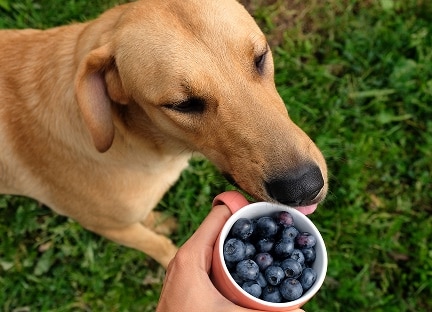
Can dogs eat blueberries?
Blueberries are safe for dogs to eat in moderation, and are one of the most nutritious fruit options you can offer. They're rich in antioxidants, vitamins C and K, and phytochemicals, which may help protect against cancer and cardiovascular disease. Because of their small size, blueberries are also a convenient low-mess treat; no chopping needed! Aim for around 1–10 berries per day depending on the size of your dog, and treat them as a supplement rather than a staple.
Can dogs eat pineapple?
Yes! Dogs can generally eat pineapple. Fresh pineapple is safe for dogs in small amounts, and is packed with useful nutrients including vitamin C, vitamin B6, thiamin, riboflavin, niacin, folate, and manganese. Just make sure to remove the spiky outer skin and tough inner core, and keep portions small.
Can dogs eat kiwi fruit?
Kiwi fruit is usually safe for dogs and a real nutritional powerhouse. It's rich in vitamin C, vitamin K, potassium, and fibre; all of which support your dog's immune system, heart health, and digestion. Before serving, peel the skin off (it can be tough to digest and may irritate your dog's stomach) and slice the flesh into small, bite-sized pieces. A few slices make a great occasional treat.
What fruit can't dogs eat? - Fruits to avoid
While most fruits are dog-friendly in moderation, there are some that can cause real harm, and a couple that are downright dangerous. Here's what to keep well out of your dog's reach – even if they whine and give you the sad, wide puppy eyes to try to get them!
Can dogs eat grapes?
No, dogs cannot eat grapes. Grapes are extremely toxic to dogs and can cause severe side effects, including acute kidney failure, even in small amounts. The exact compound responsible is still unknown, which means there's no established "safe" quantity. Every grape is a risk. If your dog eats even a single grape, call your vet immediately. Don't wait for symptoms to appear.
Can dogs eat raisins?
The grape's wrinkly little cousin is just as dangerous to dogs. Dogs cannot eat raisins. As a concentrated form of grape, raisins are highly toxic and can cause severe vomiting, diarrhoea, and acute kidney failure. Because raisins are smaller and easier to miss in foods (like fruit cake, trail mix, or muesli bars), it's worth being especially vigilant about keeping these out of reach. As with grapes, if you suspect your dog has eaten raisins, call your vet straight away. Even one raisin could cause issues.

Can dogs eat mandarins?
Mandarins are not toxic to dogs, but they're not a great snack option. They're high in natural sugars and citric acid, which can upset your dog's digestive system, leading to vomiting, diarrhoea, and a very uncomfortable tummy. If your dog helps themselves to a dropped segment, they'll probably be okay. But it's best to skip the mandarin and reach for a more dog-friendly fruit instead.
Can dogs eat cherries?
This is a tricky one. Cherries are best avoided when it comes to dogs. While the flesh itself isn't toxic, cherry pits, stems, and leaves all contain cyanide, which is toxic to dogs and can cause serious harm even in small amounts. Since it's difficult to reliably remove every hazardous part, the safest bet is to keep cherries away from your dog altogether. If they've snuck a cherry or two, monitor them closely for symptoms. If they've eaten many, or if you're seeing any unusual behaviour, contact your vet immediately.
What to do if your dog has eaten unsafe or toxic fruit
If your dog has gotten into fruit they shouldn't have, it's important to act quickly – especially if it involves grapes, raisins, or cherries. Here's what you can do.
Call your vet immediately
Your first step should always be to contact your vet, even if your dog seems fine. Some toxic reactions take hours to develop, so it's important not to wait for symptoms before seeking advice. Your vet can assess the situation, advise whether you need to bring your dog in, and guide you on any immediate steps to take at home.
If it's outside of regular hours, most vet clinics have an emergency line or can refer you to an after-hours animal hospital. Save this emergency phone number somewhere easy to find before you need it.
Contact the Animal Poisons Helpline
If you can't reach your regular vet, the Animal Poisons Helpline is a 24/7 service that provides immediate guidance for pet owners across Australia. Have the following information ready before you call:
What your dog ate (and roughly how much)
When they ate it
Your dog's approximate weight and breed
Animal Poisons Helpline: 1300 869 738 (available 24/7)
Watch for warning signs
Even if your dog only ate a small amount, keep a close eye on them for at least 24–48 hours afterwards. Common signs of fruit poisoning in dogs include:
Vomiting or diarrhoea
Lethargy or unusual weakness
Loss of appetite
Excessive thirst or urination (a potential sign of kidney stress)
Difficulty breathing or swallowing
If any of these symptoms appear, seek veterinary care as soon as possible — the sooner treatment begins, the better the outcome.
Toxic fruit consumption warning signs
| Warning sign | What it may indicate |
|---|---|
| Vomiting or diarrhoea |
Common response to toxic or high-fibre fruit; seek vet advice if persistent. |
|
Lethargy or weakness |
Could indicate a toxic reaction. Contact your vet immediately. |
|
Loss of appetite |
A sign something isn't right; monitor closely and call your vet if it continues. |
|
Excessive thirst or urination |
A potential indicator of kidney distress, especially with grape or raisin ingestion. |
|
Difficulty breathing |
Possible allergic reaction or airway obstruction. Seek emergency vet care immediately. |
Everyday Pet Insurance can help you deal with hazardous snacking – and other surprises
Everyday Pet Insurance can help protect against life's little mishaps, like your furry friend sneakily getting their paws on some fruit. With a range of cover options to suit different dogs and budgets, there's a plan for every kind of dog owner.# Plus, you can get 10% off an in-store Woolworths shop every month with Everyday Pet Insurance.°
Everyday Dog Insurance
Our Dog Insurance may cover accidents and illnesses. It can help when you go on adventures with your dog – both big and small – knowing you might be covered for when the unexpected happens.
Booster Care for your dog
With Everyday Booster Care, one of the things your pooch can be covered for is the scaling, polishing, dental x-rays and tooth removal that can be associated with common dental conditions such as Gingivitis, abscesses, cavities, disease and infection and more.v Learn about how your dog can be covered for dental and other extras as part of Everyday Booster Care.
Routine Care cover for your dog
Our Routine Care non-insurance benefit helps contribute towards everyday preventative health needs such as vaccinations and annual vet check-ups. This additional benefit is particularly handy if you have a new puppy join the family as it helps contribute towards the essentials like desexing, vaccination, microchipping, and even puppy obedience training.
How Everyday Pet Insurance can help.
Unexpected vet bills can be stressful. Pet Insurance can help cover the costs of diagnosis, treatment, and medication for various health conditions.#
Here are some benefits you can enjoy with your Everyday Pet Insurance policy:
Other articles you might like
Help protect your loyal companion with Everyday Insurance and get 10% off an in-store Woolworths shop every month°
- text
-
# Depending on your level of cover. Policy T&Cs, limits, exclusions, waiting periods and annual excess may apply.
- text
-
† Offer available to new Everyday Pet Insurance policyholders, and is limited to 1 membership per eligible policy. The free membership offer (valued at $199p.a) is from the date of your policy commencement, provided your Everyday Pet Insurance policy remains active. You are not eligible to redeem the free membership subscription for cash or credit. VetAssist is a separate subscription based service to the Everyday Pet Insurance product, and is provided independently by Everyday Insurance third party service provider, VetChat Services Pty Ltd (VetChat). Click here for full VetAssist Service terms and conditions. Everyday Insurance reserves the right to vary or remove this offer at any time and will provide reasonable notice of any such changes.
- text
-
= The gap is defined as the difference between the vet's invoice and the claim benefit under your policy. Policy terms and conditions apply. GapOnly® is only available at participating Vets. Please visit GapOnly® to search for GapOnly® enabled vets. GapOnly® is a trademark owned by PetSure (Australia) Pty Ltd (PetSure) (ABN 95 075 949 923, AFSL 420183).
- text
-
** Offer is valid until 1 July 2027 (Offer Period). This entitles you to a 30% discount off the lowest online displayed price (excluding any items marked 'on sale' or 'on clearance') listed on www.petscripts.com.au for prescription medication purchase from PetScripts Pty Ltd ABN 73 610 444 427 (PetScripts) whilst your policy remains in force during the Offer Period and cannot be used in conjunction with any other offer or discount. This offer only applies to medication prescribed to the pet insured under Everyday Pet Insurance Policies. Services provided by PetScripts are separate to your pet insurance policy. Delivery fees may apply. The 30% discount offer is subject to PetScripts' general Terms and Conditions, including the Privacy Policy which are available online at www.petscripts.com.au. Woolworths reserves the right to vary, withdraw or extend this discount or an offer at any time. Woolworths will provide reasonable notice of any adverse changes.
- text
-
v Booster Care limit, applicable benefit percentage, waiting periods and exclusions apply. Annual excess may apply. See details in your PDS.
- text
-
Everyday Pet Insurance policies entered into for the first time prior to 17 July 2023 and subsequent renewals of those policies are issued by The Hollard Insurance Company Pty Ltd ABN 78 090 584 473, AFSL 241436 (Hollard), arranged and administered by PetSure (Australia) Pty Ltd ABN 95 075 949 923, AFSL 420183 (PetSure) and promoted and distributed by Hollard’s Authorised Representative (AR) Woolworths Group Limited ABN 88 000 014 675, AR 245476 (Woolworths).
Everyday Pet Insurance policies entered into for the first time on or after 17 July 2023 and subsequent renewals of those policies are issued by PetSure and promoted and distributed by PetSure’s AR, Woolworths.
Any advice provided is general only and does not take into account your individual objectives, financial situation or needs. Please consider the Product Disclosure Statement (PDS) to ensure this product meets your needs before purchasing, or choosing to continue with the product. PDS and Target Market Determination available at insurance.everyday.com.au/pet-insurance.
