









- text
-
° This offer is only available for policyholders who have a registered Everyday Rewards Card linked to their eligible active Everyday Insurance policy. This offer is limited to one in-store Woolworths Supermarket transaction up to $500, with a maximum saving of $50 per Everyday Rewards Card, per month, regardless of the number of Woolworths services you use. For full T&Cs click here.
What vegetables can & can't dogs eat?
Practical tips to keep your pet safe.
Pet Insurance | 10 minute read | 05 August 2026
- Practical tips to keep your pet safe.
- Quick reference: What vegetables your dog can eat at a glance
- What vegetables are good for dogs to eat?
- What vegetables can't dogs eat? - Vegetables to avoid
- What to do if your dog has eaten an unsafe or toxic vegetable
- Toxic vegetable consumption warning signs
- Everyday Pet Insurance can help you deal with unsanctioned veggie snacking – and other surprises
- How Everyday Pet Insurance can help.
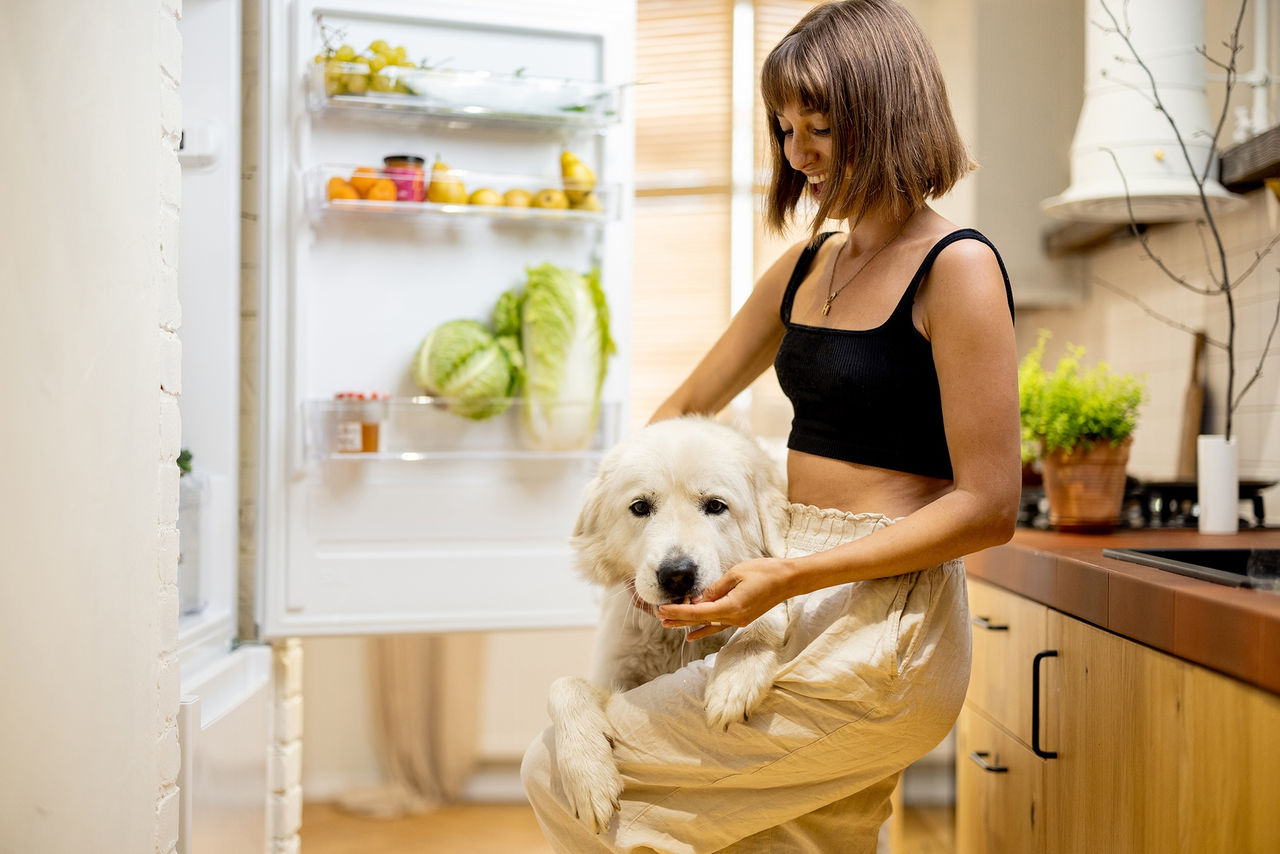
For dog owners, few things are more stressful than catching your dog eating something they shouldn’t be. It adds a whole new layer of danger to dinnertime. One moment you're standing at the stove, sautéing veggies and narrating your own fictional cooking show to your dog as they look up at you adoringly (read: hungrily).
The next minute, your enthusiastic stir-frying technique has gotten out of hand, your veggies are airborne – and suddenly Fido is hoovering stray peas off the carpet as though he’s never been fed a meal in his life before.
If that sounds familiar: welcome to the club! You’re not alone. Luckily, most vegetables are perfectly safe for dogs to eat, and some are genuinely great for them. Frozen peas are a brilliant low-calorie treat, for example, and some dogs absolutely love them, especially on a warm summer's day.
That said, some vegetables don’t belong anywhere near your dog’s bowl or bowels, because they’re toxic and could cause real harm to your four-legged friend. Others need a bit of careful prep before they're safe to serve.
Read on for the full rundown of which vegetables your dog can safely eat, and which ones they're better off skipping.
Quick reference: What vegetables your dog can eat at a glance
| Vegetables | Safe for dogs? | Key notes |
|---|---|---|
| Cucumber | ✅ Generally Safe | Low calorie and hydrating. Remove seeds and skin for smaller dogs. |
| Celery | ✅ Generally Safe | A great low-calorie snack. Cut into small pieces to avoid a choking hazard. |
| Broccoli | ✅ Generally Safe (in moderation) | Small amounts only. Can cause gas and digestive upset in large quantities. |
| Peas | ✅ Generally Safe | Fresh or frozen. Avoid canned peas with added salt. |
| Capsicum | ✅ Generally Safe | Red capsicum is most nutritious. Remove seeds and stem before serving. |
| Corn | ✅ Generally Safe | Kernels only — never feed corn on the cob. Cobs are a serious choking hazard. |
| Cauliflower | ✅ Generally Safe (in moderation) | Small amounts only. No seasoning, and keep portions modest. |
| Cooked potato | ✅ Generally Safe | Plain and cooked only. Raw potatoes contain solanine, which is toxic to dogs. |
| Tomato | ⚠️ Caution | Ripe flesh is low-risk in small amounts, but green parts are toxic. Best avoided. |
| Mushrooms | ⚠️ Caution | Plain store-bought mushrooms are generally safe; wild mushrooms can be deadly. |
| Avocado | ⚠️ Caution | Contains persin, which is toxic to dogs. We recommend avoiding entirely, including guacamole. |
| Onion | 🚫 Toxic | Toxic in all forms — raw, cooked, or powdered. Can cause haemolytic anaemia. |
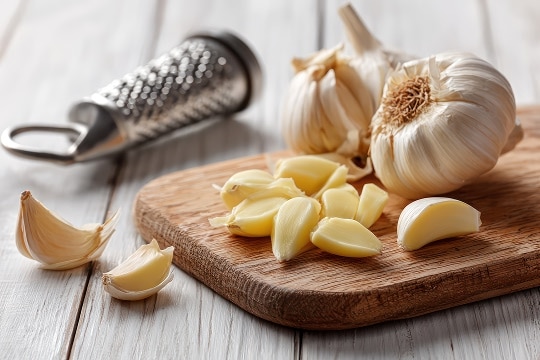
| Garlic | 🚫 Toxic | More toxic than onion, gram for gram. Avoid all forms, including garlic bread. |
| Leek | 🚫 Toxic | Same family as onion and garlic. Equally toxic. Avoid entirely. |
| Chives | 🚫 Toxic | Same family as onion and garlic. Even small amounts can cause serious harm. |
| Rhubarb | 🚫 Toxic | Contains oxalic acid and can cause kidney damage. Keep away from dogs entirely. |
What vegetables are good for dogs to eat?
Plenty of vegetables can be safe for dogs – and some are just as good for them as they are for humans. They can be a useful supplement to a balanced diet, or a great low-calorie alternative to commercial treats. As a general rule, always introduce new foods gradually, skip the salt and seasonings, and cut vegetables into bite-sized pieces to avoid a choking hazard.
Can dogs eat cucumber?
They absolutely can. Not only are cucumbers safe for dogs, they’re gentle on digestion and great for hydration.
Before serving, remove the seeds and peel the skin for smaller dogs (both can be a little harder to digest). Slice into bite-sized pieces and serve as an occasional snack.
Can dogs eat celery?
Yes, dogs can generally eat celery. They’re crunchy, low in calories, and contain a solid range of nutrients including vitamins A, C, and K, as well as potassium and folate. Some dogs enjoy the satisfying crunch as a chew alternative.
To serve safely, cut celery into small pieces; the stringy fibres can pose a choking hazard, especially for smaller dogs.
Can dogs eat broccoli?
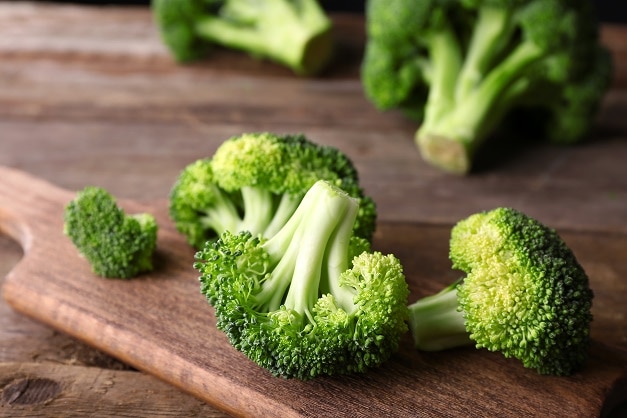
Broccoli is generally safe for dogs in small amounts and provides a useful range of nutrients, including vitamins C and K, and fibre. However, broccoli florets contain isothiocyanates, which can irritate their stomachs in larger quantities.
Keep portions small (no more than 10% of your dog's daily food intake) and serve either raw, or lightly steamed with no seasoning. If your dog gets a bit gassy after eating broccoli, it's best to dial it back – for their sake and yours.
Can dogs eat peas?
Yes! Peas are one of the most dog-friendly vegetables you can offer. Fresh or frozen peas are safe for dogs, and they're a good source of protein, fibre, vitamins A, B, and K, and minerals like iron and zinc.
One thing to avoid: canned peas. Most canned varieties contain added salt, which can be harmful to dogs in excess. Stick to fresh or frozen, and serve in moderation.
Can dogs eat capsicum?
Capsicum (also known as bell pepper) is generally safe for dogs and decently nutritious. Red capsicum is the most beneficial variety. It contains significantly more of vitamin A and C than green or yellow capsicum.
Before serving, remove the seeds and stem, and slice into small pieces.
Can dogs eat corn?
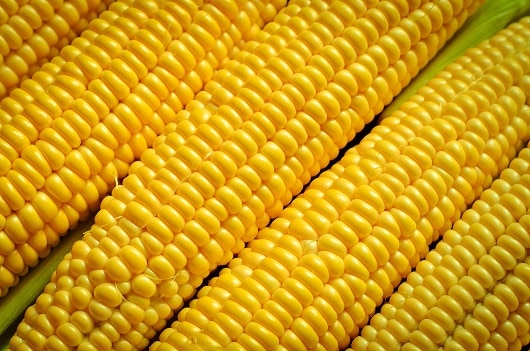
Dogs can generally eat corn, but with one important caveat: never feed your dog corn on the cob. The corn kernels themselves are fine, but the cob is a serious choking hazard and a potential cause of intestinal blockage. It can't be digested and may require surgical removal if swallowed.
Stick to plain, loose corn kernels (fresh, frozen, or cooked) with no added butter, salt, or seasonings.
Can dogs eat cauliflower?
Cauliflower is generally safe for dogs in small quantities. Like broccoli, it offers fibre, vitamins C and K, and folate. And like broccoli, it can cause gas and digestive discomfort in larger amounts, so it's best served as an occasional snack.
Raw or lightly steamed cauliflower is fine. No seasoning, no sauces, and keep portions modest.
Can dogs eat potatoes?
Cooked potatoes are generally safe for dogs in moderation. They're a source of carbohydrates, vitamins B6 and C, and potassium. But raw potatoes contain solanine, a naturally occurring compound that is toxic to dogs, so they should always be cooked before serving. Boiled or baked is best – skip the butter, salt, and toppings, and avoid chips and potato skins, which are too high in fat and seasoning to be a safe option.
What vegetables can't dogs eat? - Vegetables to avoid
Some vegetables can cause significant harm to dogs, and a handful are genuinely dangerous even in small amounts. Here's what you need to keep out – no matter how keen your dog is to have a nibble!
Can dogs eat avocado?
Dogs shouldn’t eat avocado. Avocado skin, pit and leaves contain a toxin called persin. Persin can cause vomiting, diarrhoea, and (in more serious cases) fluid accumulation in the lungs and chest, which can be life-threatening. The pit is also a choking hazard. So although avocado flesh could be considered safe, we’d recommend avoiding it altogether. Better safe than sorry!
Can dogs eat tomato?
A small piece of ripe tomato could be safe for dogs, but if you want to be on the extra safe side, you’re better off avoiding them entirely when it comes to your furry friend. Ripe, red tomato flesh is considered low-risk for dogs in small amounts. The danger lies in the green parts of the plant (the stem, leaves, and any unripe green tomatoes). They contain solanine and tomatine, which can cause drooling, lethargy, and digestive upset.
Can dogs eat garlic?
Garlic is toxic to dogs and is actually more potent than onion, gram for gram. Like onion, it belongs to the allium family and can cause damage to red blood cells, leading to anaemia over time. Even small amounts consumed regularly can cause cumulative harm.
Can dogs eat leek?
Leeks are toxic to dogs for the same reasons as onion and garlic. The thiosulphate compounds they contain can damage red blood cells and lead to anaemia, even in small doses. Avoid leeks entirely, including in cooked dishes where they've been used as a flavouring ingredient.
Can dogs eat chives?
No. Chives are toxic to dogs, like all the other alliums listed above. Even small amounts can cause serious harm. Chives are often used as a garnish, so it's worth being vigilant when sharing leftovers or serving food your dog could access.
Can dogs eat rhubarb?
Rhubarb is toxic to dogs. Both the stalks and the leaves contain oxalic acid and soluble oxalate salts, which can cause drooling, loss of appetite, vomiting, diarrhoea, lethargy, and in serious cases, kidney failure. The leaves are particularly dangerous. Keep rhubarb – and any products that contain it – far away from your dog.
Can dogs eat mushrooms?
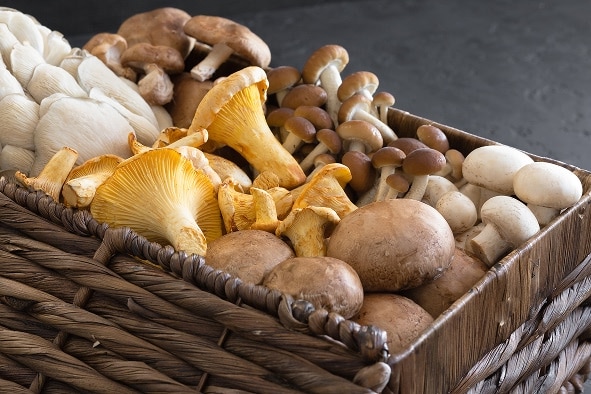
The answer here depends entirely on the type. Cooked store-bought mushrooms are generally safe for dogs in small amounts when served plain, with no garlic, onion, or seasoning. Raw store-bought mushrooms are usually safe but they can be tricky for your dog to digest, so you’re better off skipping them.
Wild mushrooms are a very different story. Many wild species are highly toxic to dogs and can cause severe liver damage, neurological symptoms, and in some cases death. So, if your dog eats wild mushrooms during a walk, in the garden, or anywhere outside, treat it as a potential emergency and contact your vet right away, even if your dog seems fine.
Can dogs eat onion?
No. Onions are toxic to dogs in all forms – raw, cooked, dried, or powdered. They contain thiosulphate compounds that damage red blood cells and can cause haemolytic anaemia, even in small amounts.
It's also worth checking the ingredient lists of any human food you share with your dog, as onion powder is a common ingredient in sauces, gravies, and seasoning blends.
What to do if your dog has eaten an unsafe or toxic vegetable
If your dog has gotten into something they shouldn't have, it's important to act quickly – especially if it involves alliums, avocado, or rhubarb. Here's what to do.
Call your vet immediately
Your first call should always be to your vet. Even if your dog seems fine right now, don't wait for symptoms to appear – some toxic reactions develop gradually over hours, and early treatment makes a real difference to outcomes. Your vet can assess the situation, advise whether you need to bring your dog in, and walk you through any immediate steps to take at home.
If it's after-hours, most vet clinics have an emergency line or can direct you to an after-hours animal hospital. Save this number somewhere easy to find, before you need it.
Contact the Animal Poisons Helpline
If you can't reach your regular vet, the Animal Poisons Helpline is a 24/7 service that provides immediate guidance for pet owners across Australia. Before you call, have the following information ready:
What your dog ate (and roughly how much)
When they ate it
Your dog's approximate weight and breed
Animal Poisons Helpline: 1300 869 738 (available 24/7)
Watch for warning signs
Even if your dog only ate a small amount, keep a close eye on them for at least 24–48 hours afterwards. Common signs that your dog may have been affected by a toxic vegetable include:
Vomiting or diarrhoea
Lethargy or unusual weakness
Pale or yellowish gums (a potential sign of anaemia)
Loss of appetite
Excessive drooling
Difficulty breathing or swallowing
If any of these symptoms appear, seek veterinary care as soon as possible — the sooner treatment begins, the better the outcome.
Toxic vegetable consumption warning signs
| Warning sign | What it may indicate |
|---|---|
| Vomiting or diarrhoea | A common response to toxic or high-fibre vegetables; seek vet advice if persistent. |
Lethargy or weakness |
Could indicate a toxic reaction. Contact your vet immediately. |
Pale or yellowish gums |
A potential sign of anaemia, particularly following allium family exposure (onion, garlic, leek, or chives). |
Loss of appetite |
A sign something isn't right; monitor closely and contact your vet if it continues. |
Excessive drooling |
Can indicate irritation or a toxic reaction. Monitor closely and call your vet if it persists. |
Difficulty breathing |
Possible allergic reaction or toxic response. Seek emergency vet care immediately. |
Everyday Pet Insurance can help you deal with unsanctioned veggie snacking – and other surprises
Everyday Pet Insurance is a great way to protect against life's little mishaps – like your dog helping themselves to an unfamiliar mushroom when out on a walk. With a range of cover options to suit different dogs and budgets, there's a plan for every kind of dog owner. Plus, you can get 10% off an in-store Woolworths shop every month with Everyday Pet Insurance.°
Everyday Dog Insurance
Our Dog Insurance may cover accidents, illnesses, and other pet healthcare needs. It can help when you go on adventures with your dog – both big and small – knowing you might be covered for when the unexpected happens.
Booster Care for your dog
With Everyday Booster Care, one of the things your pooch can be covered for is the scaling, polishing, dental x-rays and tooth removal that can be associated with common dental conditions such as Gingivitis, abscesses, cavities, disease and infection and more.v Learn about how your dog can be covered for dental and other extras as part of Everyday Booster Care.
Routine Care cover for your dog
Our Routine Care non-insurance benefit helps contribute towards everyday preventative health needs such as vaccinations and annual vet check-ups. This additional benefit is particularly handy if you have a new puppy join the family as it helps contribute towards the essentials like desexing, vaccination, microchipping, and even puppy obedience training.
Please read the Product Disclosure Statement for full terms, conditions and exclusions.
How Everyday Pet Insurance can help.
Unexpected vet bills can be stressful. Pet Insurance can help cover the costs of diagnosis, treatment, and medication for various health conditions.
Here are some benefits you can enjoy with your Everyday Pet Insurance policy:
Other articles you might like
Help protect your loyal companion with Everyday Insurance and get 10% off an in-store Woolworths shop every month°
- text
-
† Offer available to new Everyday Pet Insurance policyholders, and is limited to 1 membership per eligible policy. The free membership offer (valued at $199p.a) is from the date of your policy commencement, provided your Everyday Pet Insurance policy remains active. You are not eligible to redeem the free membership subscription for cash or credit. VetAssist is a separate subscription based service to the Everyday Pet Insurance product, and is provided independently by Everyday Insurance third party service provider, VetChat Services Pty Ltd (VetChat). Click here for full VetAssist Service terms and conditions. Everyday Insurance reserves the right to vary or remove this offer at any time and will provide reasonable notice of any such changes.
- text
-
= The gap is defined as the difference between the vet's invoice and the claim benefit under your policy. Policy terms and conditions apply. GapOnly® is only available at participating Vets. Please visit GapOnly® to search for GapOnly® enabled vets. GapOnly® is a trademark owned by PetSure (Australia) Pty Ltd (PetSure) (ABN 95 075 949 923, AFSL 420183).
- text
-
** Offer is valid until 1 July 2027 (Offer Period). This entitles you to a 30% discount off the lowest online displayed price (excluding any items marked 'on sale' or 'on clearance') listed on www.petscripts.com.au for prescription medication purchase from PetScripts Pty Ltd ABN 73 610 444 427 (PetScripts) whilst your policy remains in force during the Offer Period and cannot be used in conjunction with any other offer or discount. This offer only applies to medication prescribed to the pet insured under Everyday Pet Insurance Policies. Services provided by PetScripts are separate to your pet insurance policy. Delivery fees may apply. The 30% discount offer is subject to PetScripts' general Terms and Conditions, including the Privacy Policy which are available online at www.petscripts.com.au. Woolworths reserves the right to vary, withdraw or extend this discount or an offer at any time. Woolworths will provide reasonable notice of any adverse changes.
- text
-
Everyday Pet Insurance policies entered into for the first time prior to 17 July 2023 and subsequent renewals of those policies are issued by The Hollard Insurance Company Pty Ltd ABN 78 090 584 473, AFSL 241436 (Hollard), arranged and administered by PetSure (Australia) Pty Ltd ABN 95 075 949 923, AFSL 420183 (PetSure) and promoted and distributed by Hollard’s Authorised Representative (AR) Woolworths Group Limited ABN 88 000 014 675, AR 245476 (Woolworths).
Everyday Pet Insurance policies entered into for the first time on or after 17 July 2023 and subsequent renewals of those policies are issued by PetSure and promoted and distributed by PetSure’s AR, Woolworths.
Any advice provided is general only and does not take into account your individual objectives, financial situation or needs. Please consider the Product Disclosure Statement (PDS) to ensure this product meets your needs before purchasing, or choosing to continue with the product. PDS and Target Market Determination available at insurance.everyday.com.au/pet-insurance.
